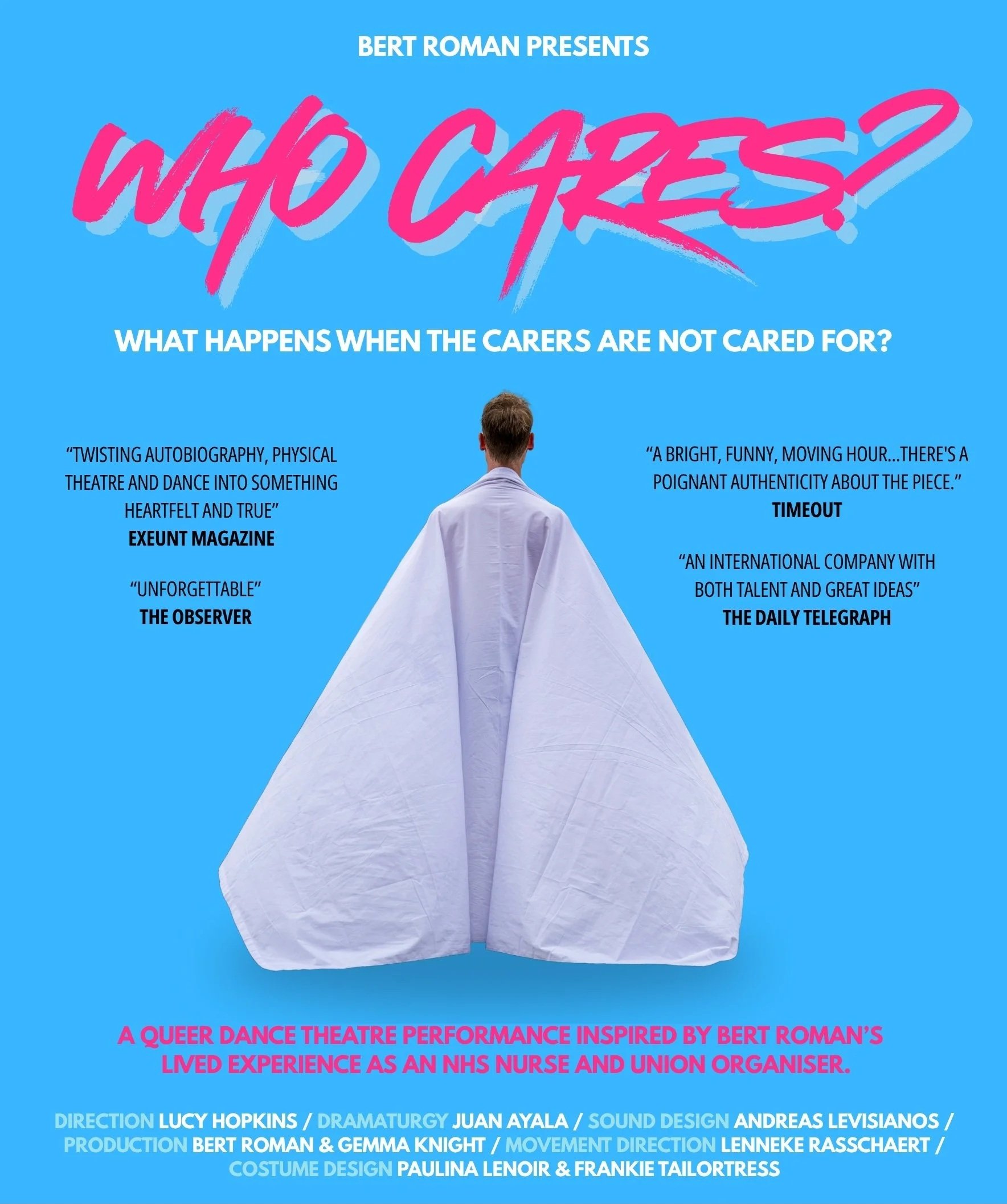
ALL PRESS QUOTES FROM PREVIOUS PRODUCTIONS
WHO CARES? PREVIEWS AT JACKSONS LANE THEATRE, HIGHGATE, LONDON ON OCTOBER 16TH & 17TH 2026, 6:30PM.
ON SATURDAY 17TH, JOIN OUR POST-SHOW FACILITATED CONVERSATION ON CARE IN SOCIETY WHEN WE EXPLORE AND RE-IMAGINE A HOPEFUL FUTURE WE WOULD LIKE TO LIVE IN.
WHO CARES?
Who Cares? is a queer dance-theatre performance that transforms the theatre into a playful, unruly hospital.
Drawing on my experience as both a dance artist and former NHS nurse, the work explores care as something physical, political, intimate and collective.
Through movement, spoken word, live singing, humour, clowning and audience participation, Who Cares? invites us into a world where the boundaries between patient, carer, performer and spectator begin to dissolve.
The work asks:
Who gets cared for?
Who is expected to care?
Whose bodies are valued?
And what happens when we begin to imagine care differently?
At its heart, Who Cares? is about the things that hold us together.
It is about the invisible labour of care.
About bodies and vulnerability.
About ageing, health and illness.
About queerness and belonging.
About the systems we depend on—and the systems that fail us.
But it is also about pleasure, absurdity, resilience and joy.
I want the theatre to become a temporary community: a place where we can laugh, move, question, participate and encounter one another differently.
Who Cares? doesn't offer simple answers.
Instead, it asks us to rehearse another possibility:
What if care was not something we gave when we had nothing left, but something we built our lives around?
DIRECTION LUCY HOPKINS
DRAMATURGY JUAN AYALA
SOUND DESIGN ANDREAS LEVISIANOS
PRODUCTION BERT ROMAN & GEMMA KNIGHT
MOVEMENT DIRECTION LENNEKE RASSCHAERT
COSTUME DESIGN PAULINA LENOIR & FRANKIE TAILORTRESS
Who Cares? has been held and made possible by a community of people who have cared for this project and for the people making it — through financial support, time, skills, resources, care and/or work given in kind. This is a celebration and acknowledgement of the many forms that care can take:
Mike Tweddle, Sarah-Jane Watkinson, Rosie Townshend, Michael Roulston, Nicholas Berwin, Nikolas Holttum, Daniella Poelmans, Lucy Musgrave, Janet Maiden, Bodo Peeters, Ria Rucinska, Ruth Roman, Hanne Roman, Bertie Brown, Clare King, Ian Pennington, Ann De Vos, Whittington Park Community centre.
Trailer:
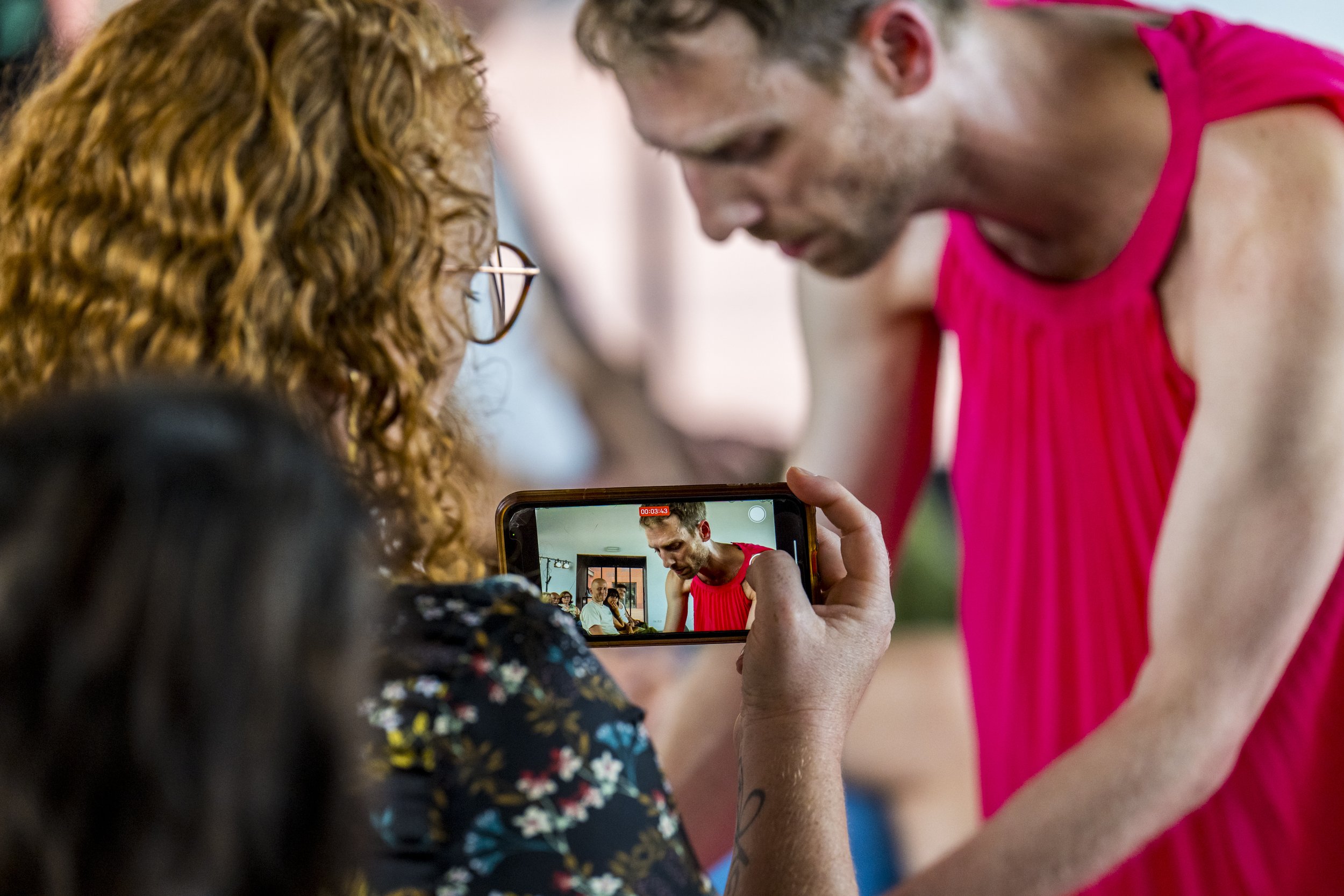
Watch. Talk. Move.
Who Cares? is more than a performance. It creates different ways to come together, reflect and participate.
WATCH
Experience Who Cares? — a playful, queer dance-theatre performance that explores care, healthcare, bodies and the systems that hold us.
TALK
Stay after the performance for a post-show conversation with the artist, healthcare professionals and invited guests. Share experiences, ask questions and continue the conversation beyond the stage.
MOVE
Take part in movement workshops exploring care through the body. These practical sessions invite participants to think about movement, health, connection and everyday ways of caring for ourselves and one another.
Come to watch. Stay to talk. Get up and move
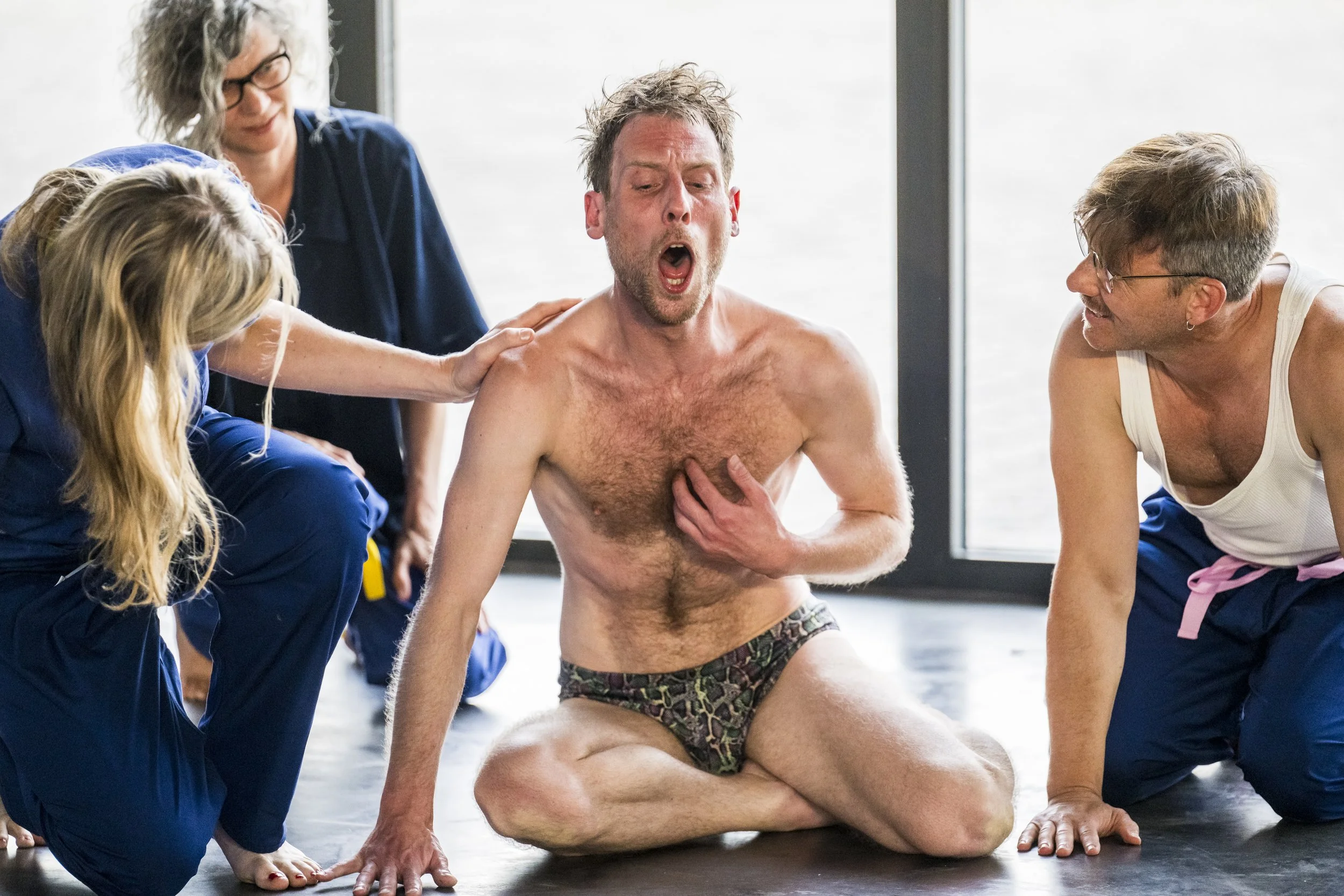
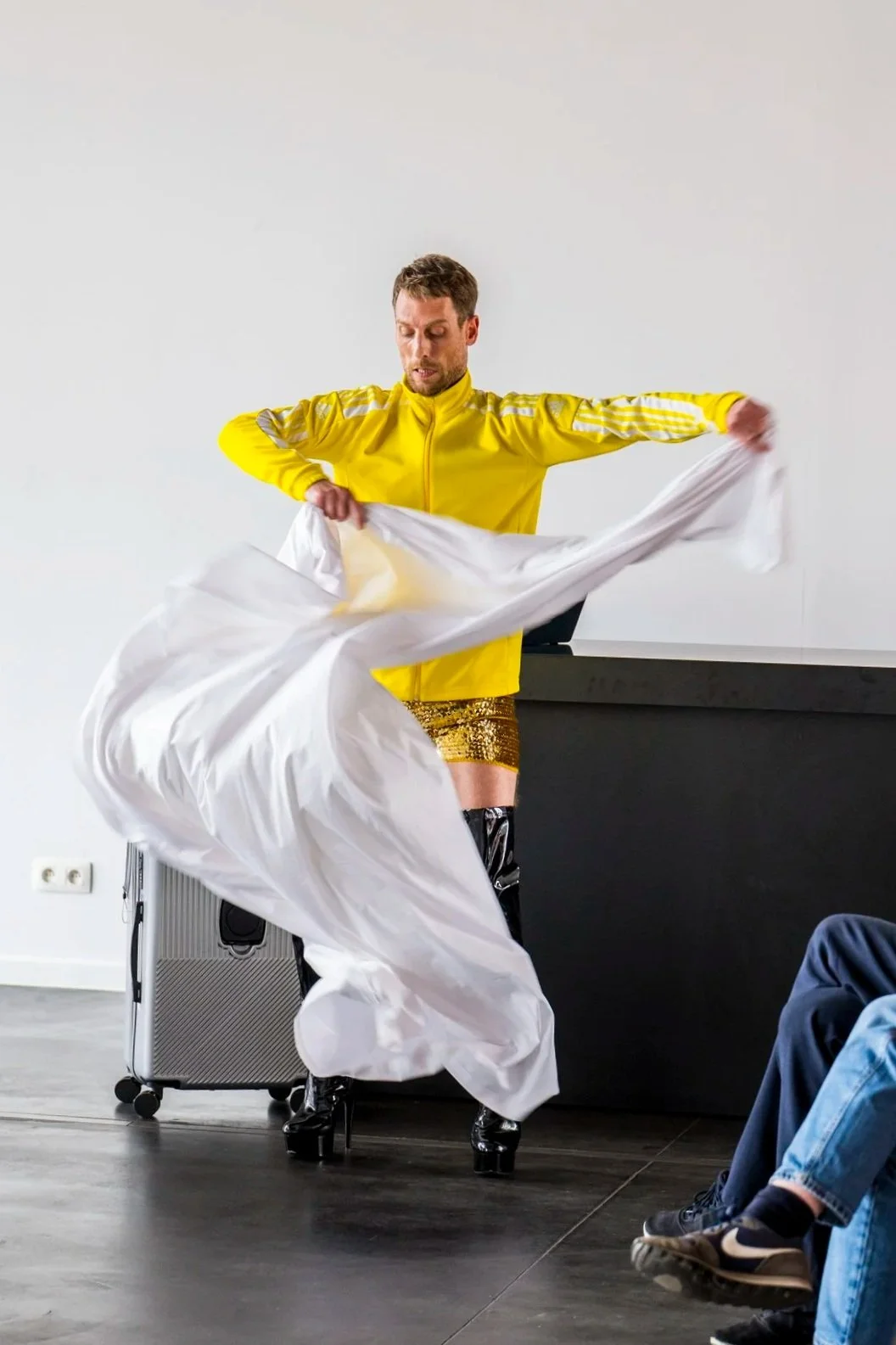
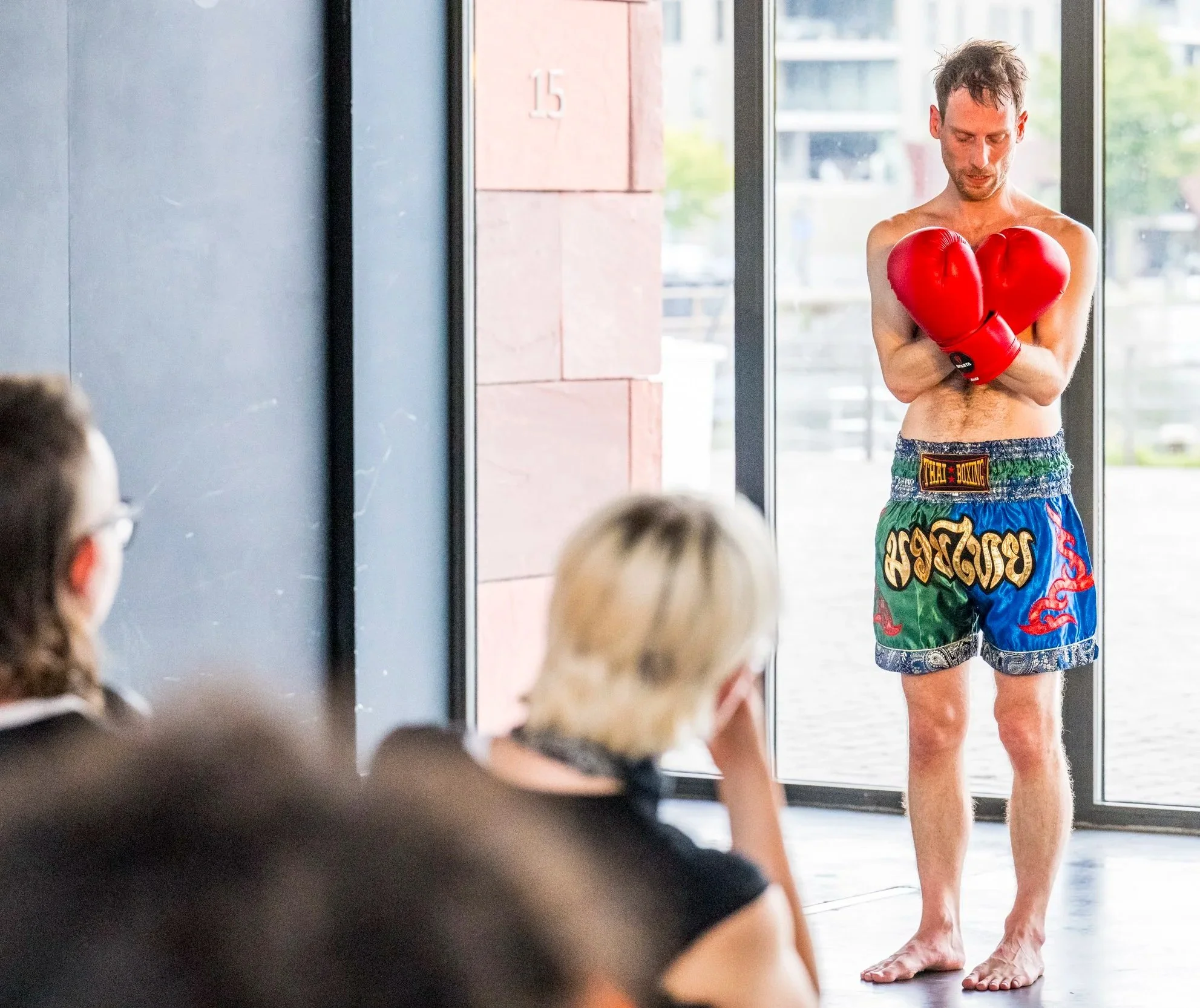
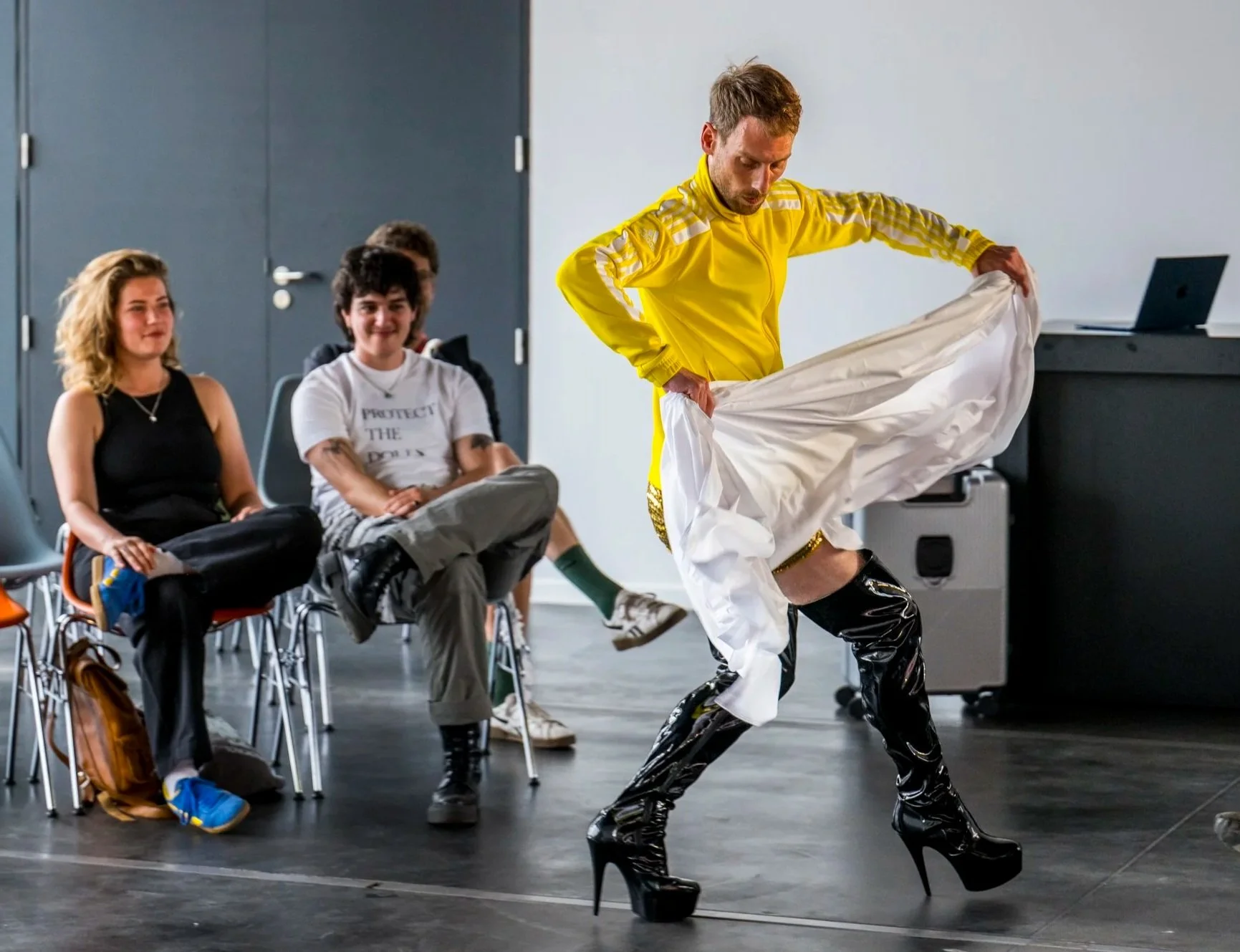
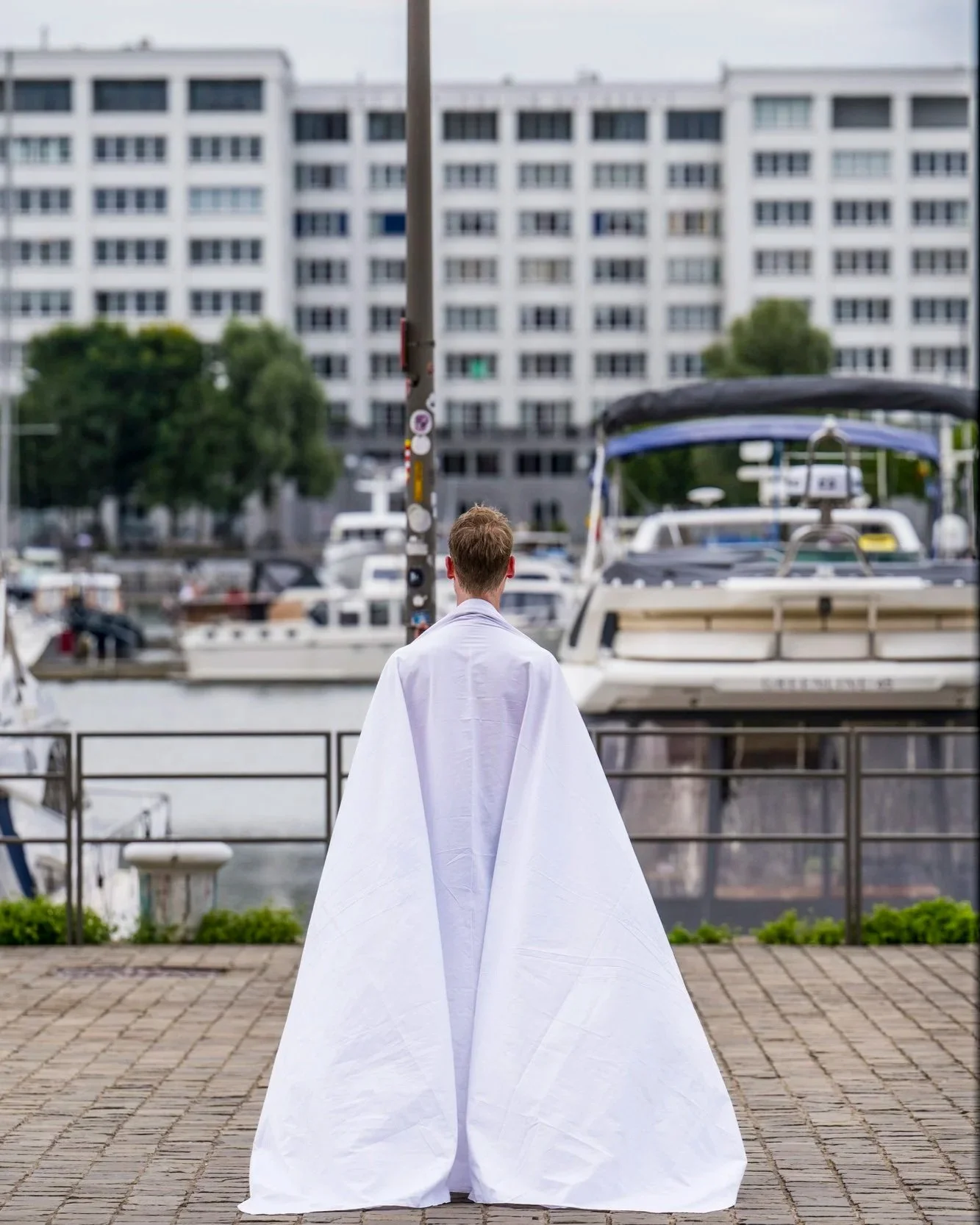
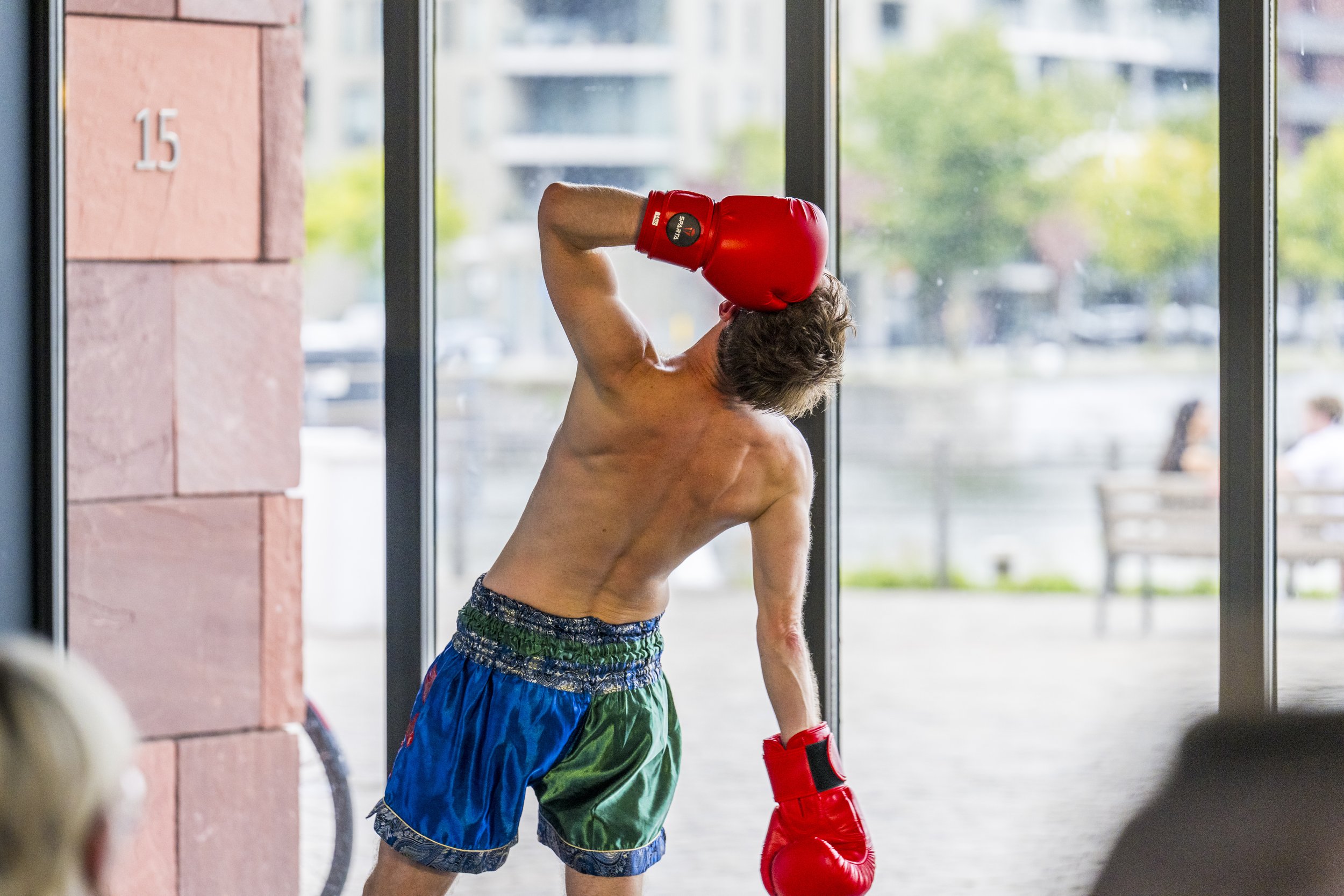
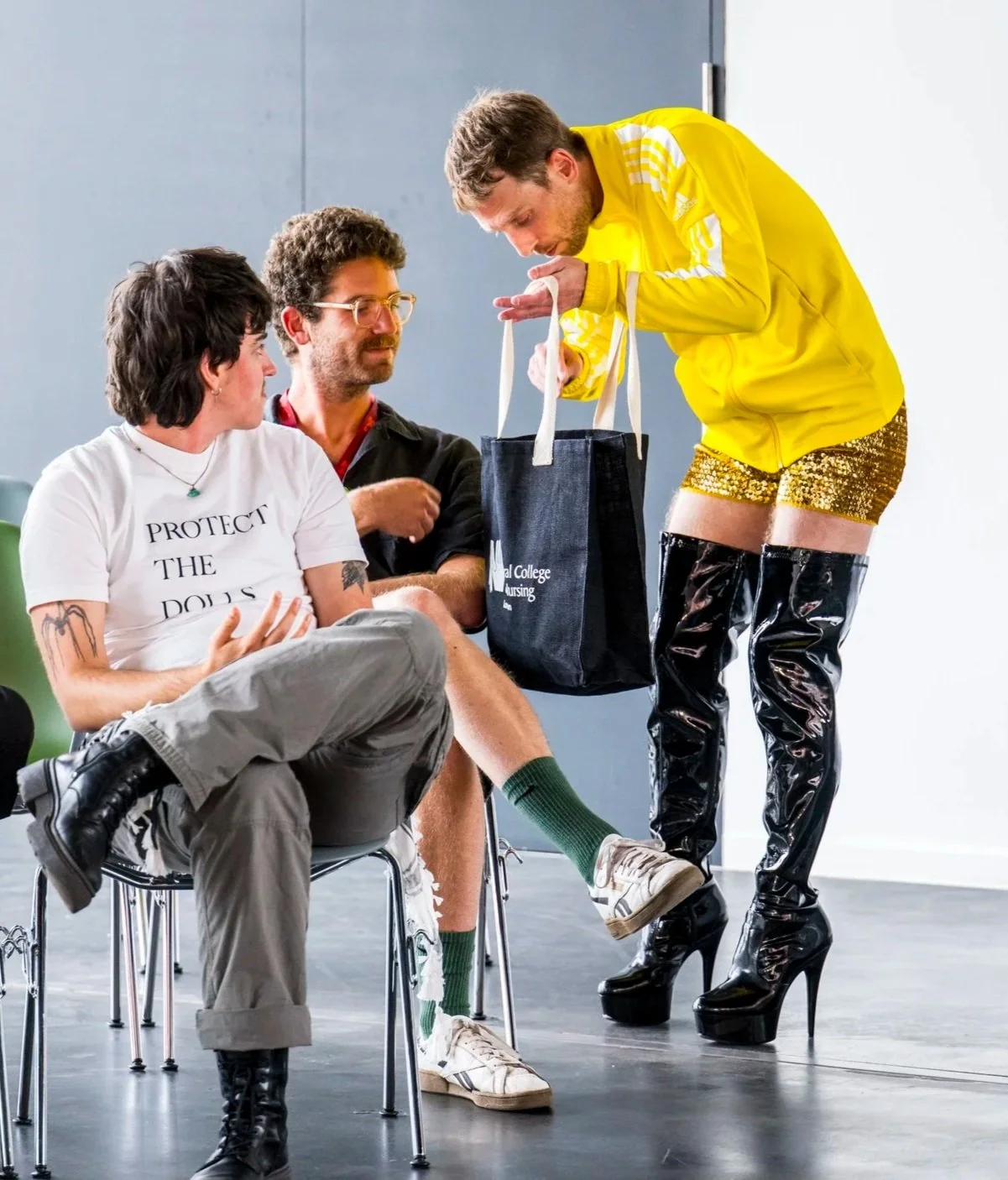
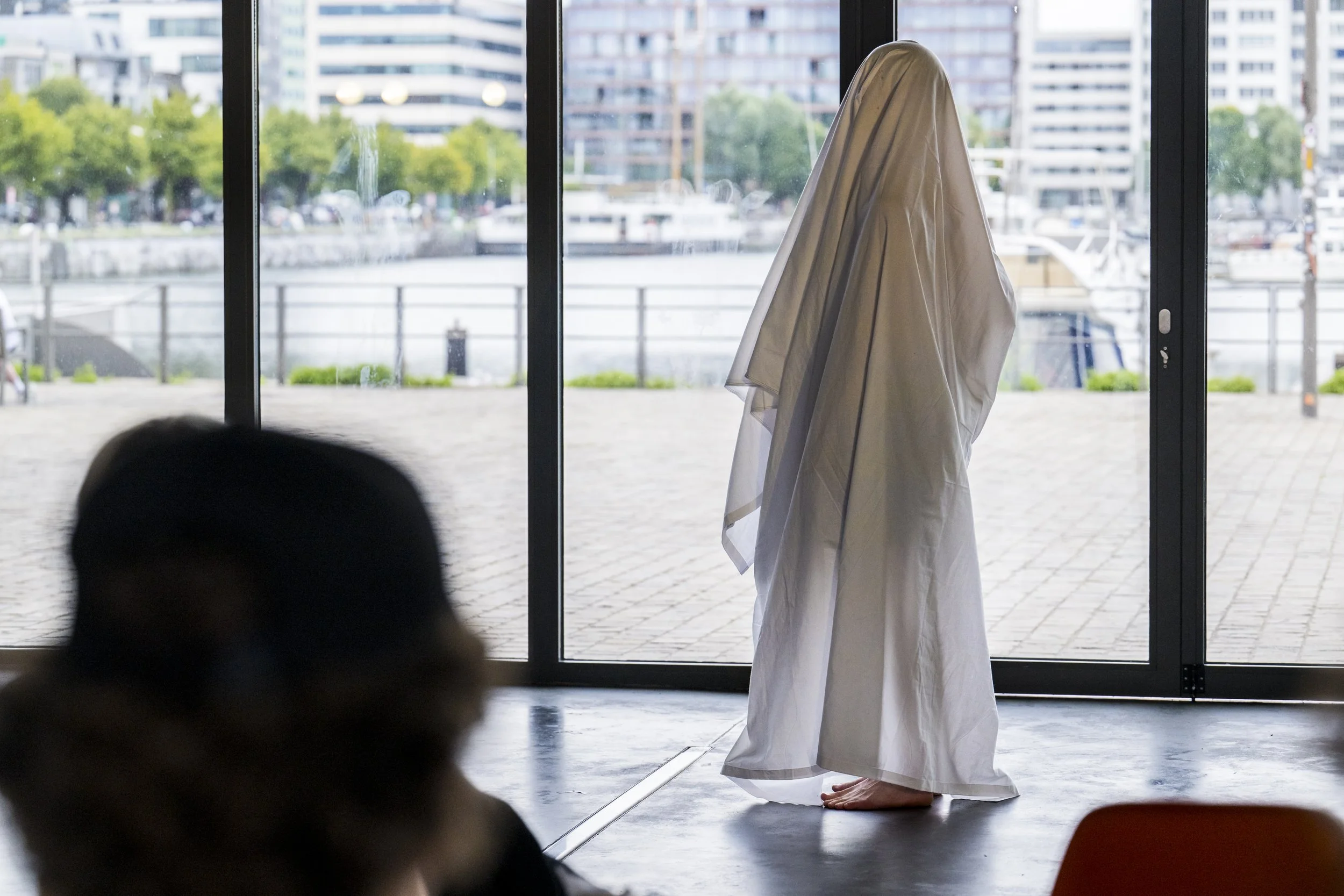
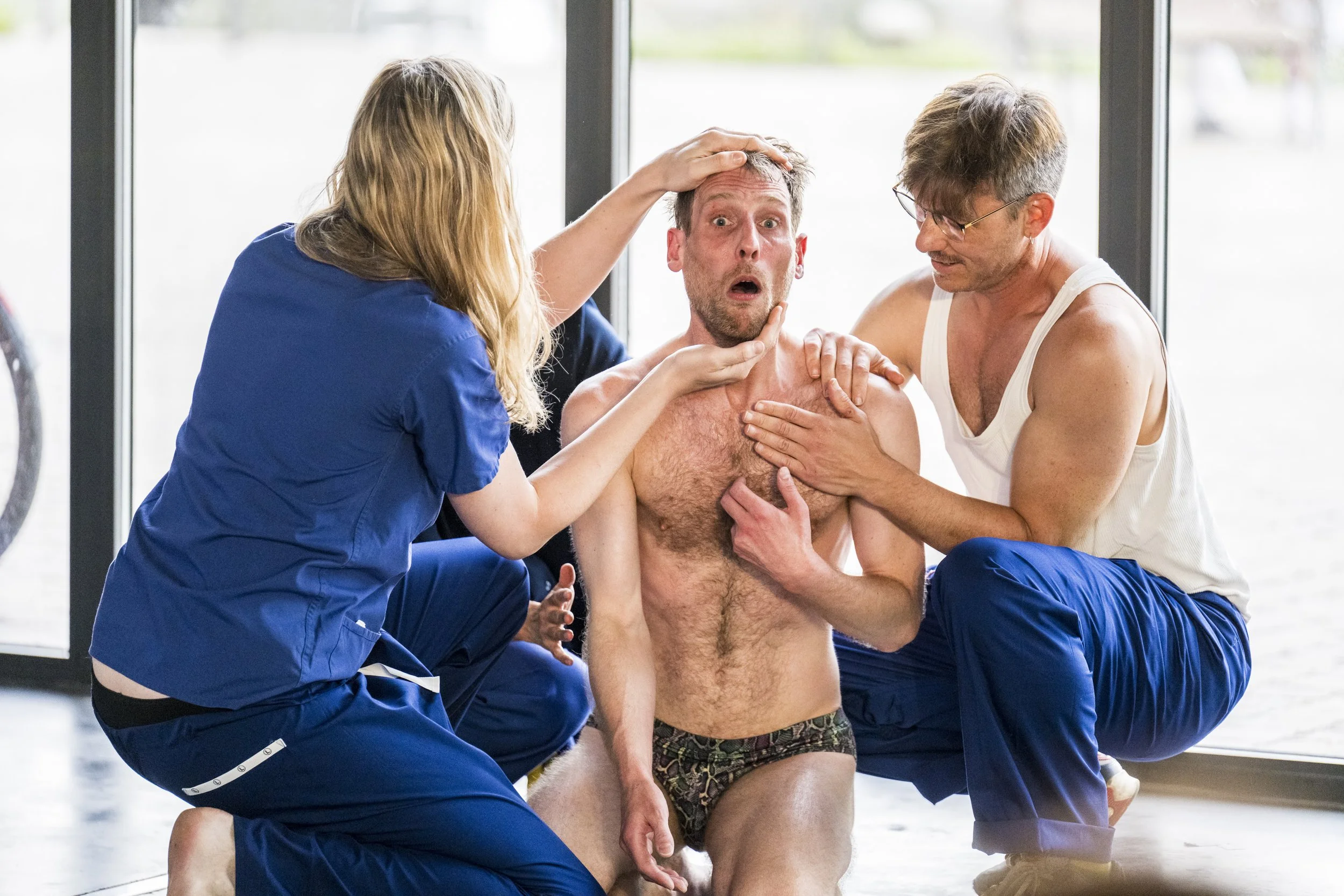
Credit Pictures: Frederick Beyens @ Queer Arts Festival Antwerp for MAS Darling Antwerp
Beyond the Performance
The project creates opportunities to keep moving, talking and thinking together—through post-show conversations, movement workshops and encounters shaped by the communities we meet.
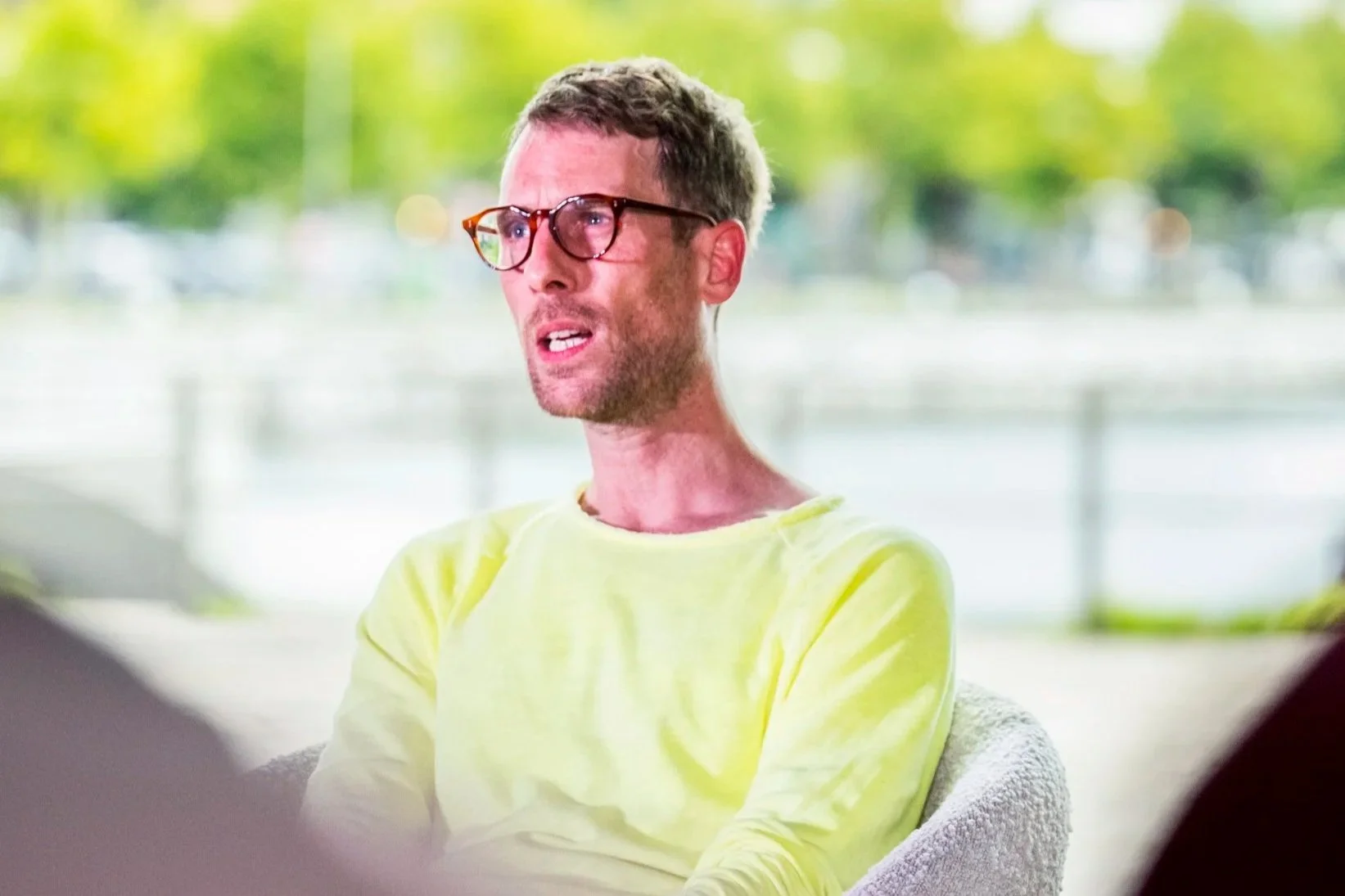
Post-show Discussions
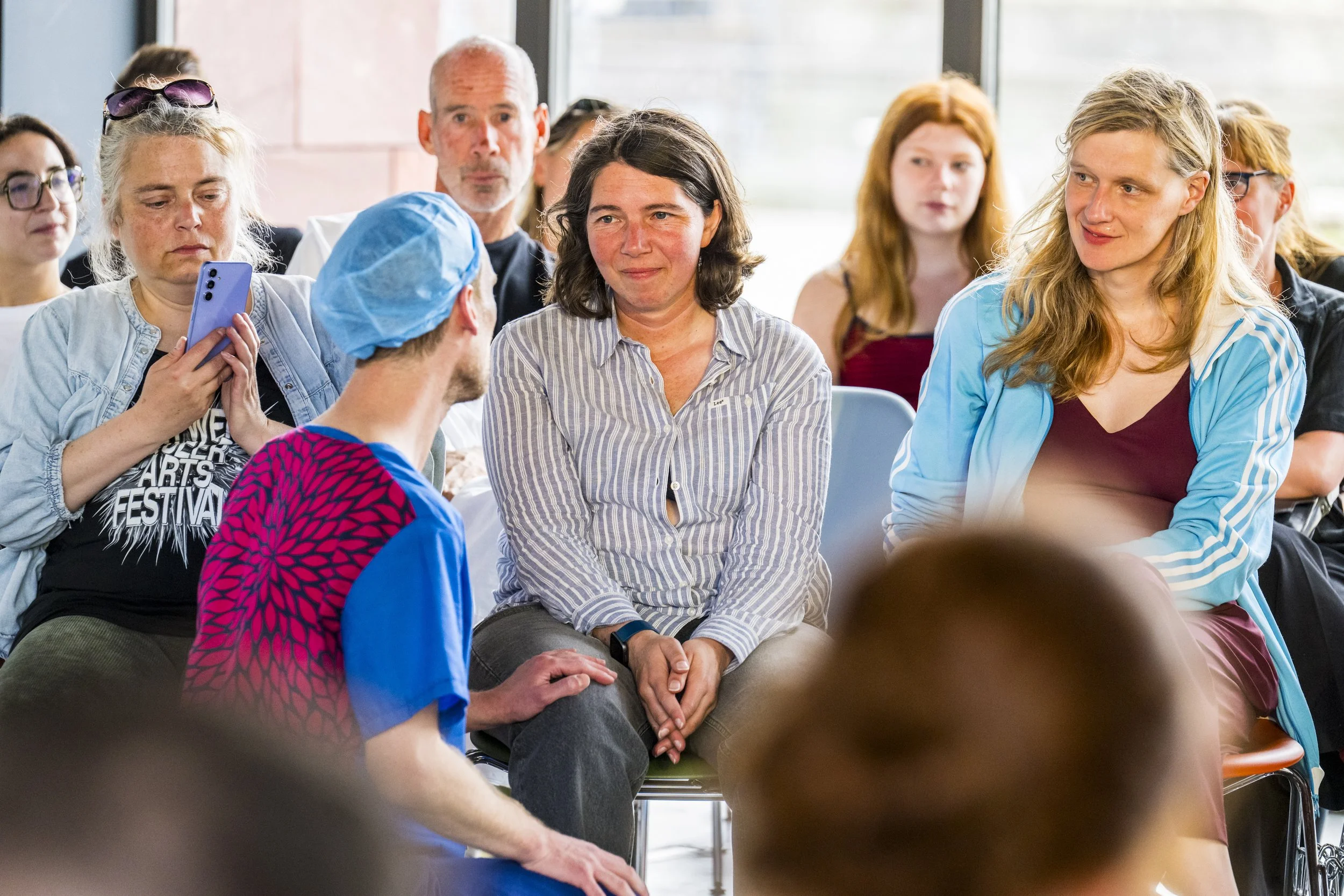
Following selected performances, audiences are invited to stay and join a facilitated conversation with healthcare professionals, artists, activists and local community members.
These conversations open up space to reflect on the performance, share experiences and ask bigger questions about care, healthcare, ageing, wellbeing and the societies we want to live in.
Each conversation is shaped by the people in the room and the community around it. No two discussions are the same.
Preventative Health & Movement Workshops
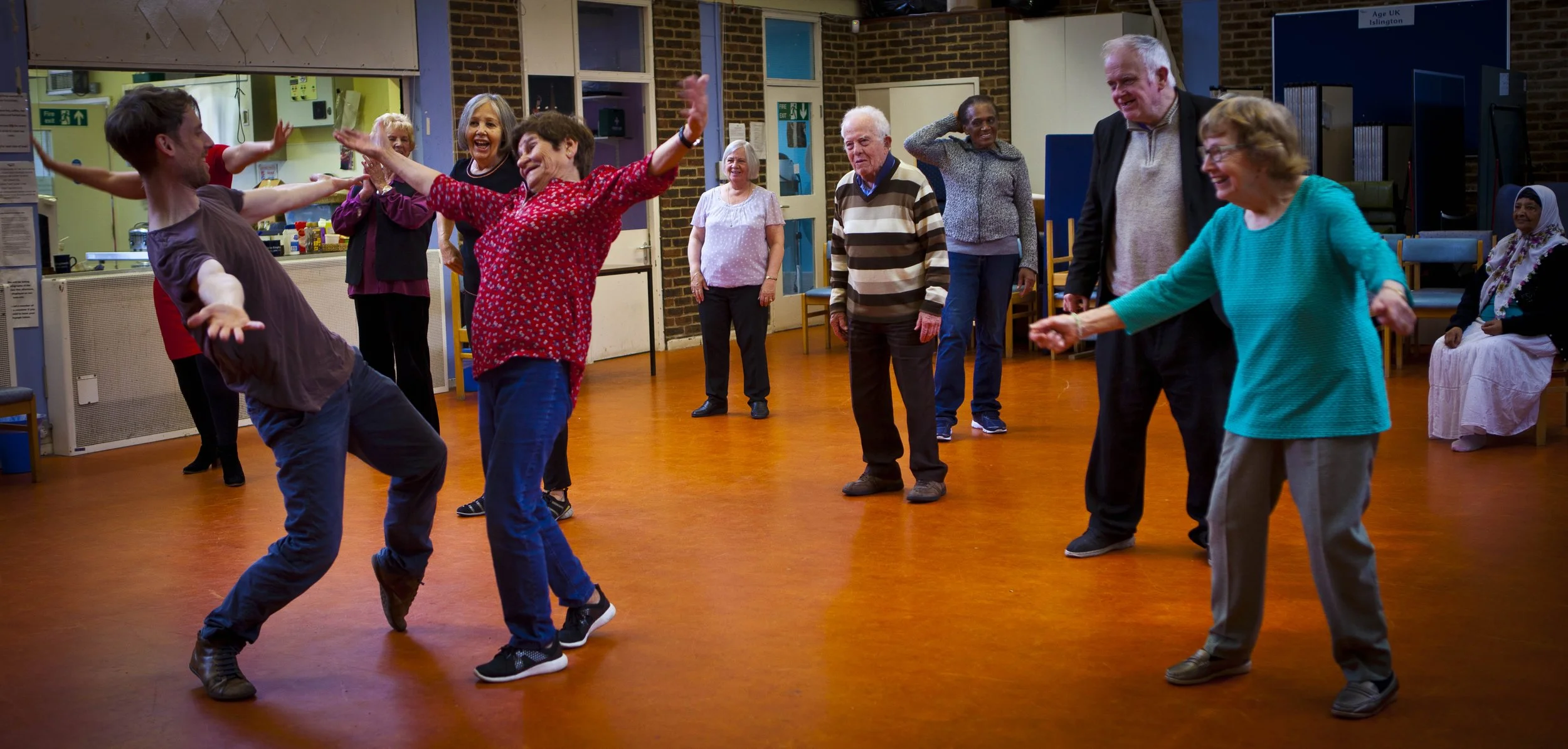
Drawing on my experience as a dance artist and former NHS nurse, these playful and accessible workshops bring together movement and practical health knowledge.
Designed for adults of all ages, with a particular focus on healthy ageing, the workshops explore mobility, balance, heart health, bone health, brain health and the importance of regular movement.
No dance experience is needed. The emphasis is on enjoyment, confidence and curiosity—discovering simple and enjoyable ways to keep moving, support our health and care for our bodies throughout life.
Why These Workshops? The Research Behind the Work
These workshops grew from the meeting point between my experience as a dance artist and my years working as an NHS nurse.
I became interested in the space between treatment and prevention: what can we do with our bodies, our communities and our everyday habits to support health before problems become crises?
The workshops combine accessible movement with practical health education. They explore areas including mobility, balance, cardiovascular health, bone and joint health, brain health, mental wellbeing, diabetes and living well with long-term conditions.
The aim is not to replace medical care or prescribe a particular way of living. It is to give people knowledge, confidence and practical tools that can support them in caring for their bodies and making informed choices about their health.
Each session includes gentle, adaptable movement that participants can continue at home. The workshops are designed to build body awareness, physical confidence and sustainable movement habits, while creating opportunities for people to connect with others.
The work is particularly relevant to older adults, carers, people living with long-term health conditions and anyone interested in maintaining their health and wellbeing as they age.
Why Movement?
There is growing evidence that regular physical activity and dance can support physical health, mental wellbeing, cognitive function and social connection. These benefits are particularly relevant to healthy ageing and preventative health.
The World Health Organization's major review of more than 3,000 studies found evidence that the arts can contribute to health promotion, disease prevention, management of illness and healthy ageing across the lifespan.
The UK's Creative Health research similarly highlights the contribution of arts participation to mental health, social connection, healthy ageing and preventative approaches to health and wellbeing.
For me, this research reinforces something I have experienced throughout both my artistic and healthcare practice:
Movement is not only something we do when we are unwell. It is one of the ways we can care for ourselves throughout our lives.
An Evolving Practice
The workshops are part of an ongoing area of research into CARE.
I am interested in how creative practice, movement and healthcare knowledge can come together to create accessible approaches to prevention and wellbeing. Workshop content will continue to develop through collaboration with healthcare professionals, community partners and—most importantly—the people taking part.
Participant experiences and feedback will help shape the development of future workshops and research.
Read the research and evidence:
World Health Organization — What is the evidence on the role of the arts in improving health and well-being?
Creative Health / Arts Care — Evidence and resources for arts and health
YOUR STORY MATTERS
What is your experience of care?
As part of my ongoing research into CARE, I'm collecting stories about healthcare, caring, being cared for, and the moments of care that stay with us.
You can share your story anonymously.