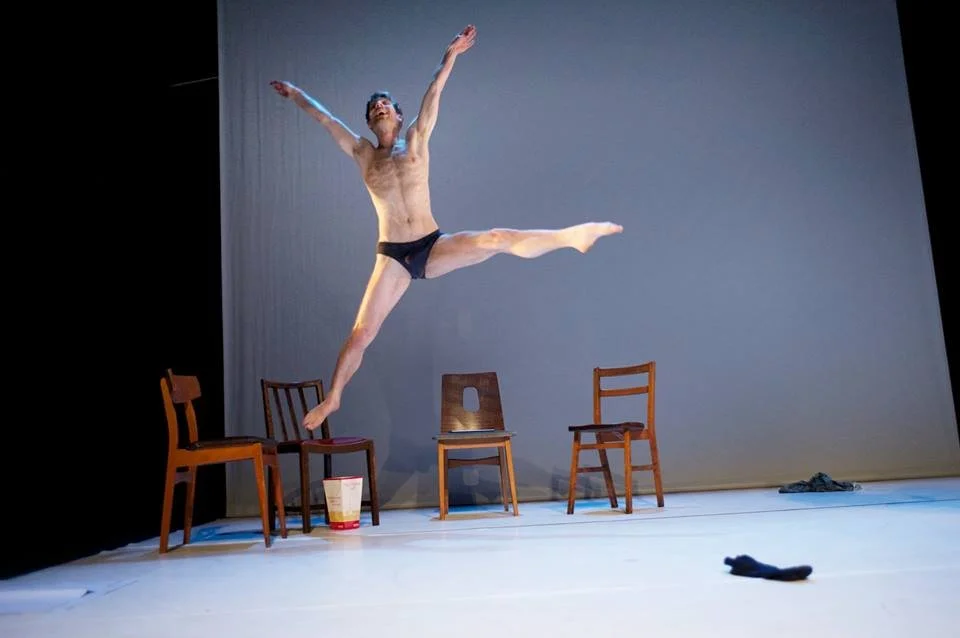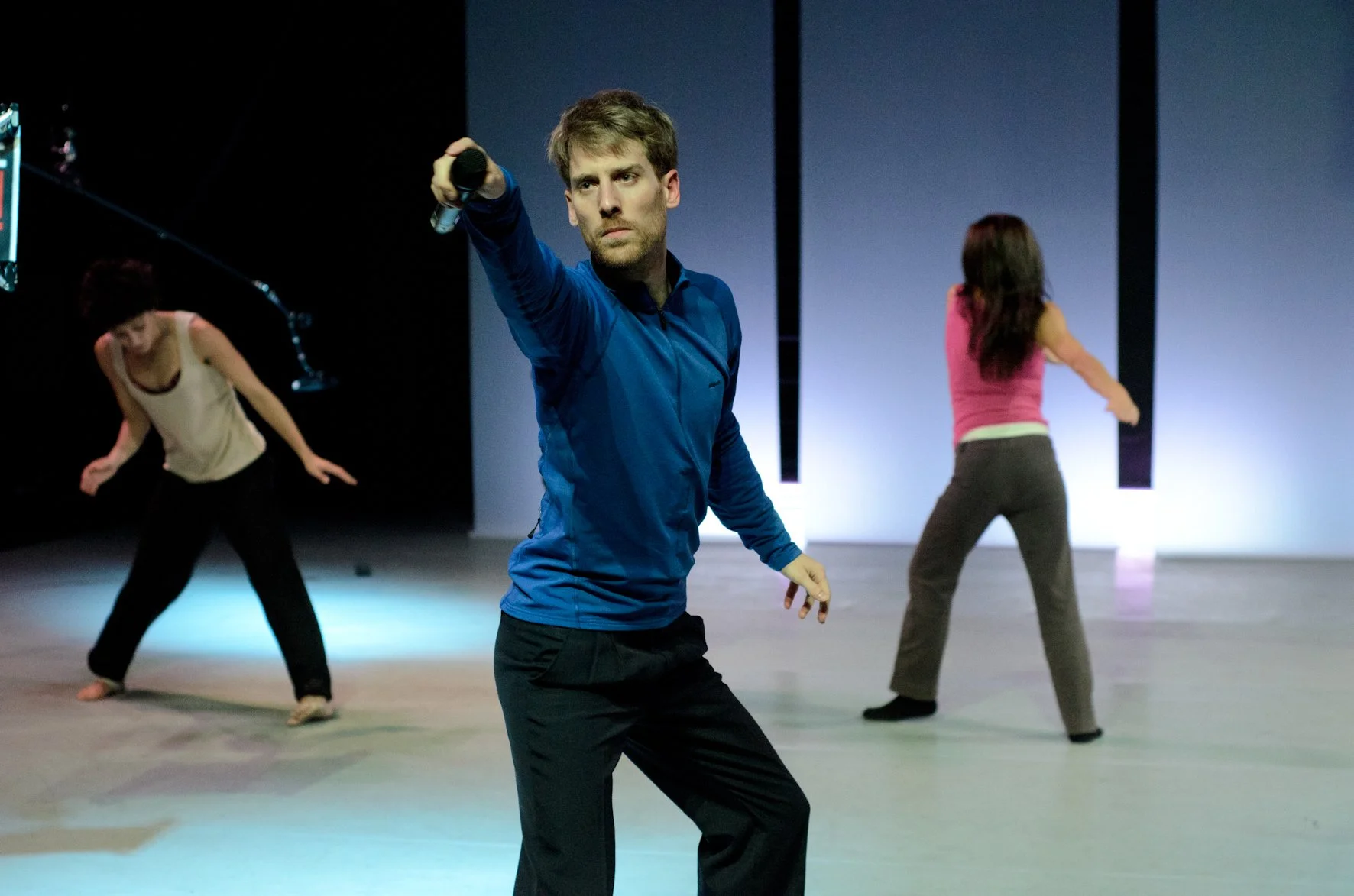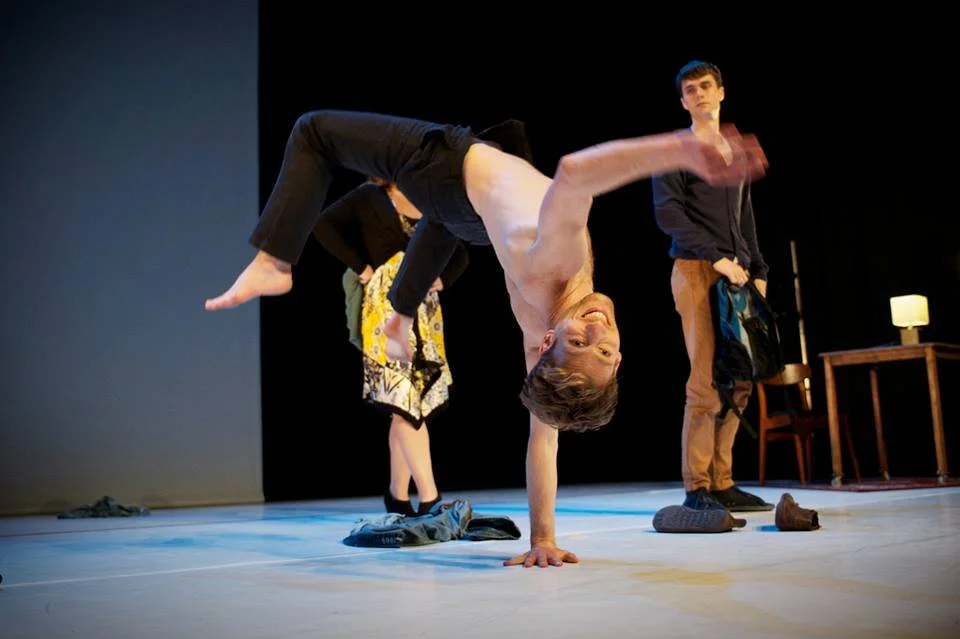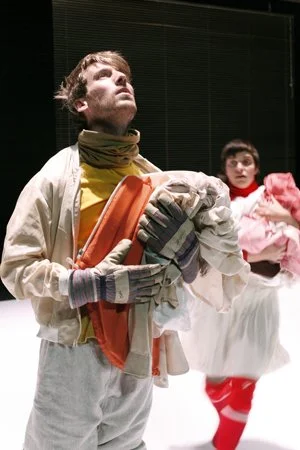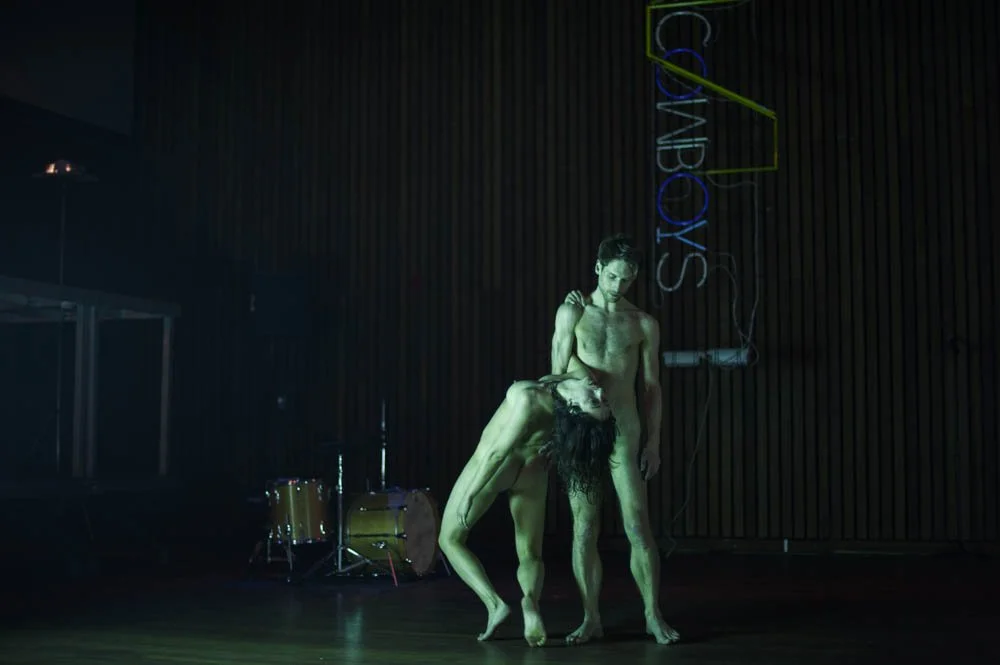
My practice spans contemporary dance, theatre, live and filmed performance, choreography and movement education.
Previous work:
About Bert
I trained as a dancer at the Royal Conservatoire in Antwerp and have spent more than two decades working across Europe as a performer, maker and collaborator. My career has moved between dance and theatre, and I have always been interested in the space where these forms meet—where movement can tell a story, where the body can speak, and where an audience can become part of the experience.
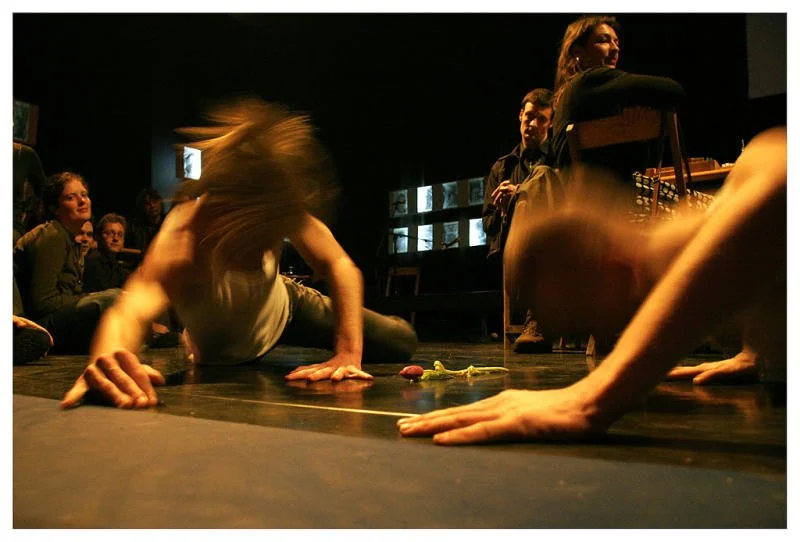
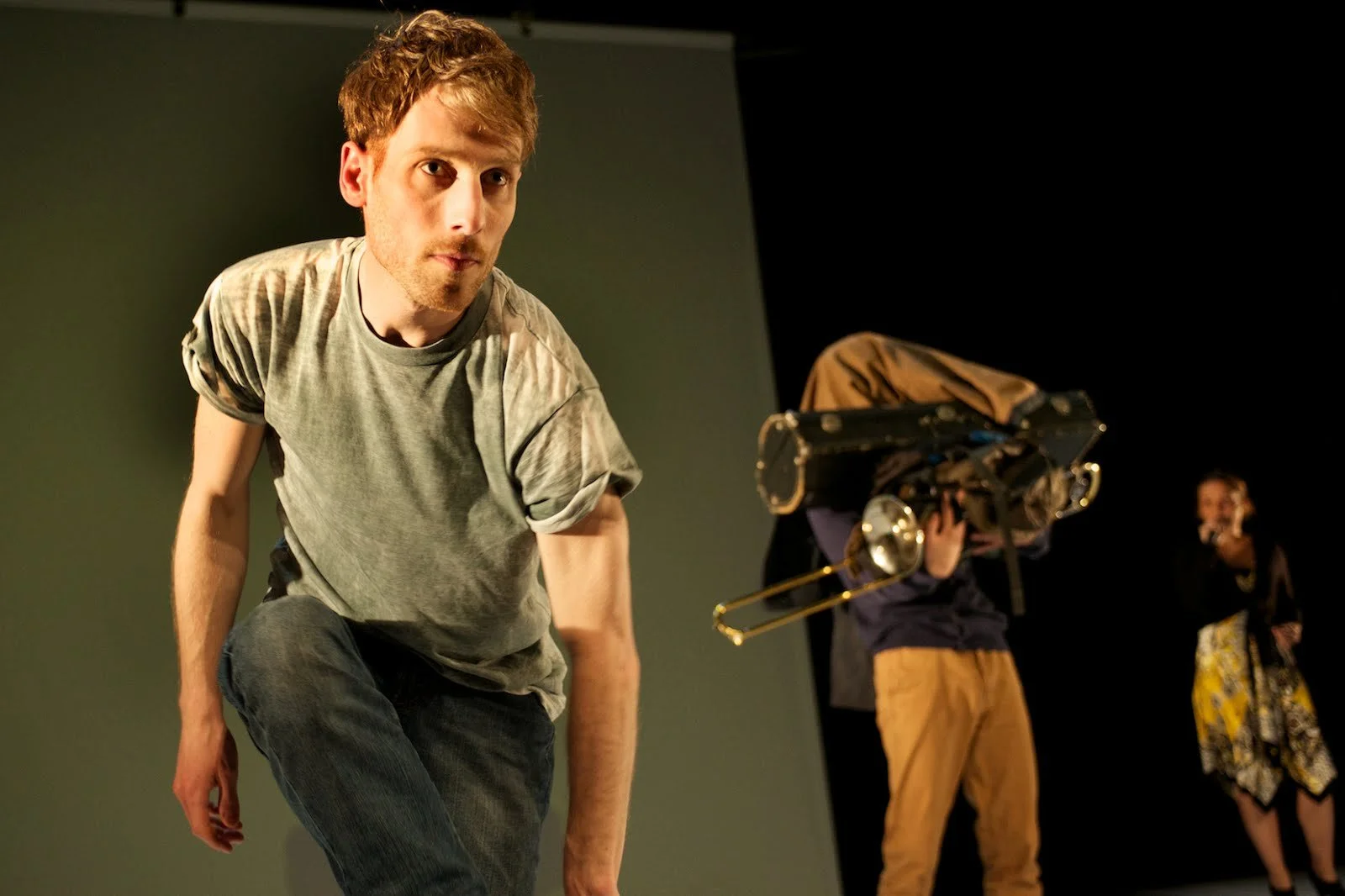
As a performer, I have worked across contemporary dance, physical theatre and devised performance. I was a founding member of the international theatre ensemble Babakas, creating and performing work that brought together contemporary dance, physical theatre, comedy, music and storytelling. Our work explored personal and social questions through playful and often unconventional forms.
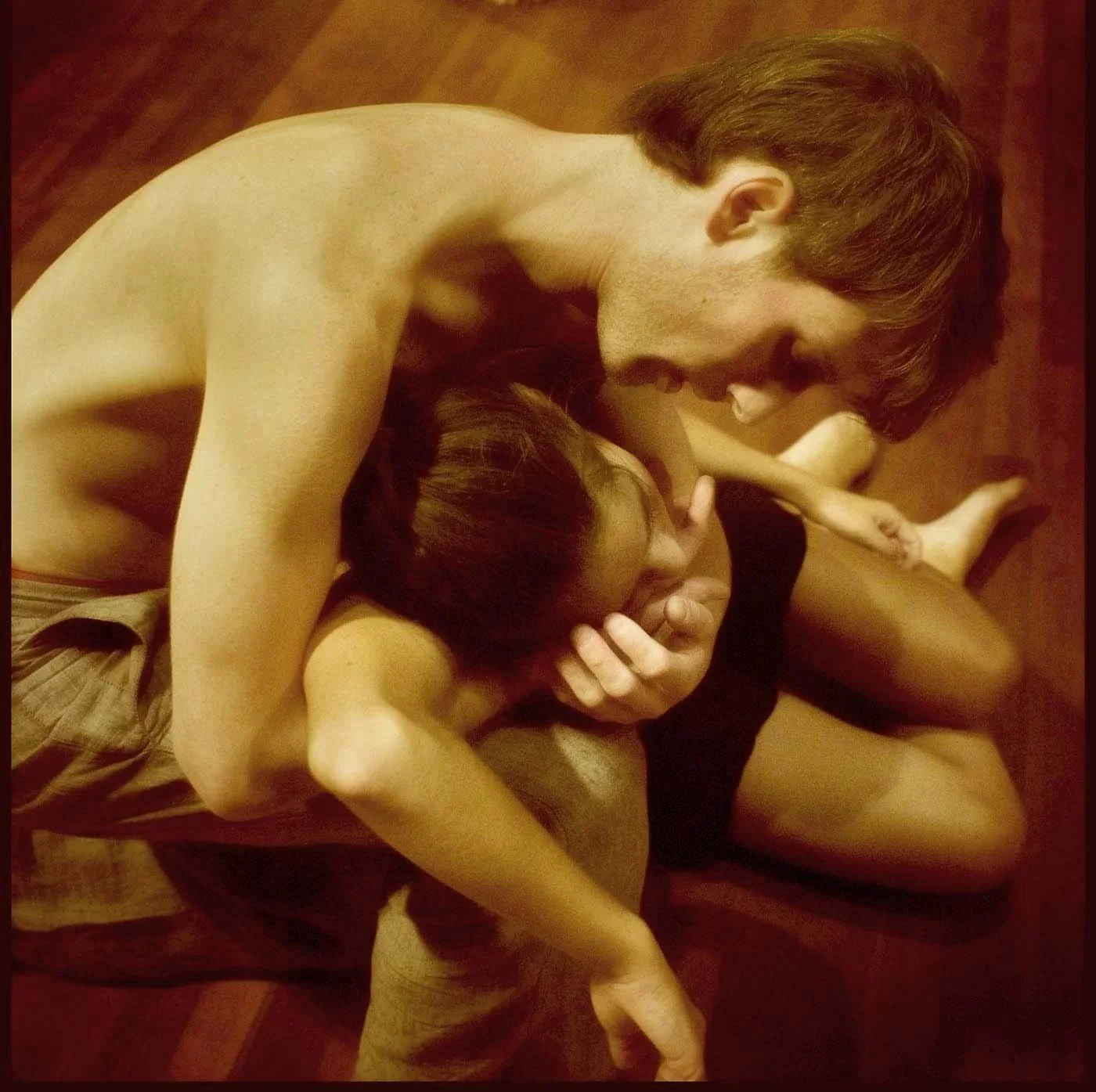
I have also worked as a choreographer and movement director, collaborating with theatre makers, performers and multidisciplinary companies. I am interested in how bodies communicate, how movement can create character, and how physicality can reveal something that words sometimes cannot.
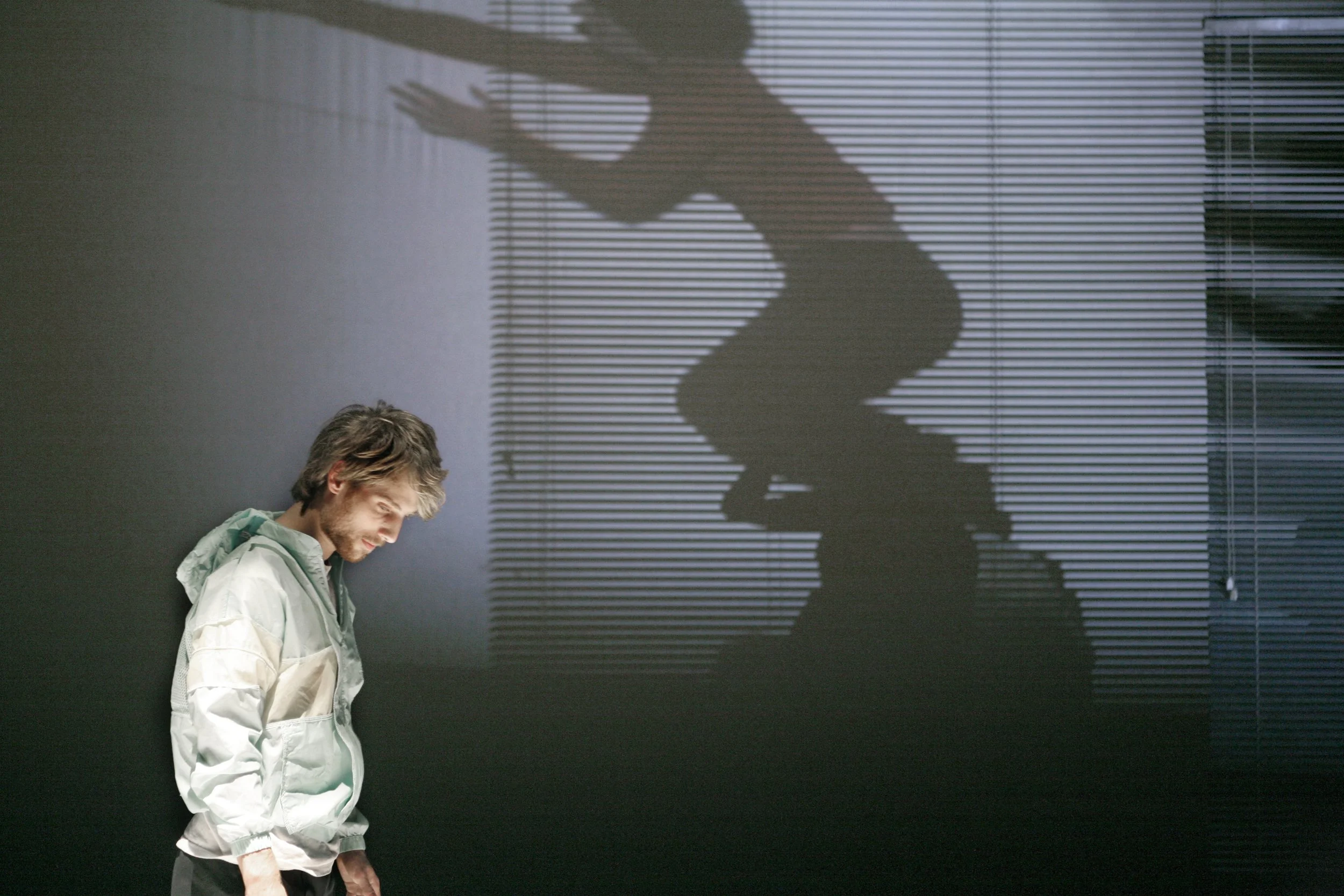
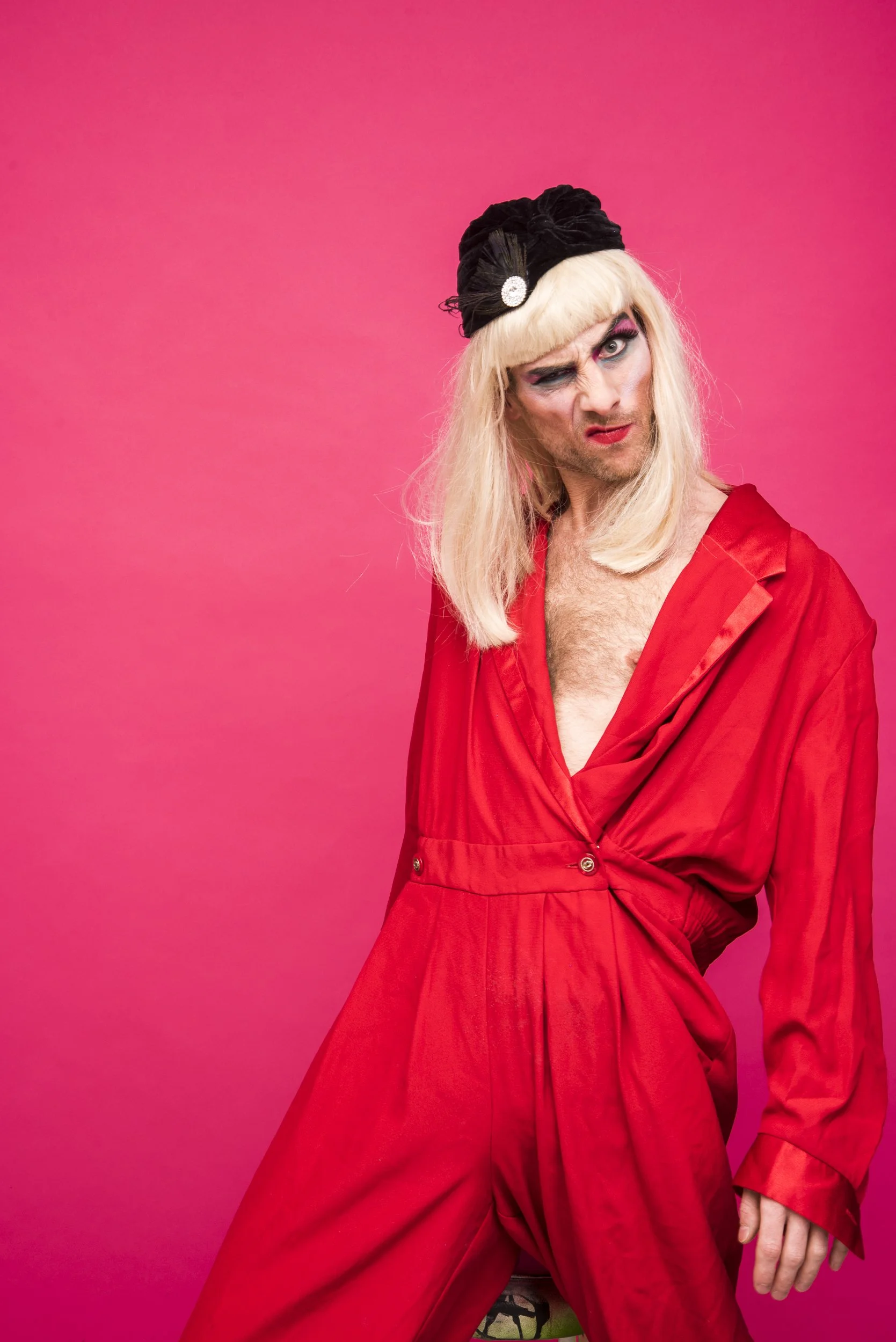
My practice has also extended into film, screen performance and modelling. Working in front of a camera has given me another way to explore presence, character and the relationship between the body and the image.
Alongside my artistic career, I founded and was Artistic Director of MoveMe, an inclusive dance project in Islington, London that brought professional dancers and accessible choreography into community settings. The project worked across generations and abilities, using dance as a way to bring people together through movement, creativity and shared experience.
Movement has always been at the centre of my life, but my understanding of it changed profoundly when I began working as an NHS nurse. I spent years caring for people living with cancer and supporting patients and their families through some of the most vulnerable moments of their lives.
Working in healthcare taught me things that I could never have learned in a dance studio. It changed my understanding of the body, vulnerability, touch, responsibility and care. It also made me think differently about choreography.
I began to see care itself as a kind of movement—a series of gestures, rhythms, repetitions and relationships through which we hold one another.
I am also a trained STOTT Pilates teacher, and my movement practice now extends into preventative health, physical wellbeing and embodied awareness. I am interested in how movement can help us understand and care for our bodies throughout our lives.
For me, these different worlds are not separate.
Dance informs how I understand healthcare. Healthcare informs how I understand choreography. Theatre gives me a space to question the systems and relationships that shape our lives. Movement gives me a language through which those questions can be felt rather than simply discussed.
This convergence is at the heart of my current work.
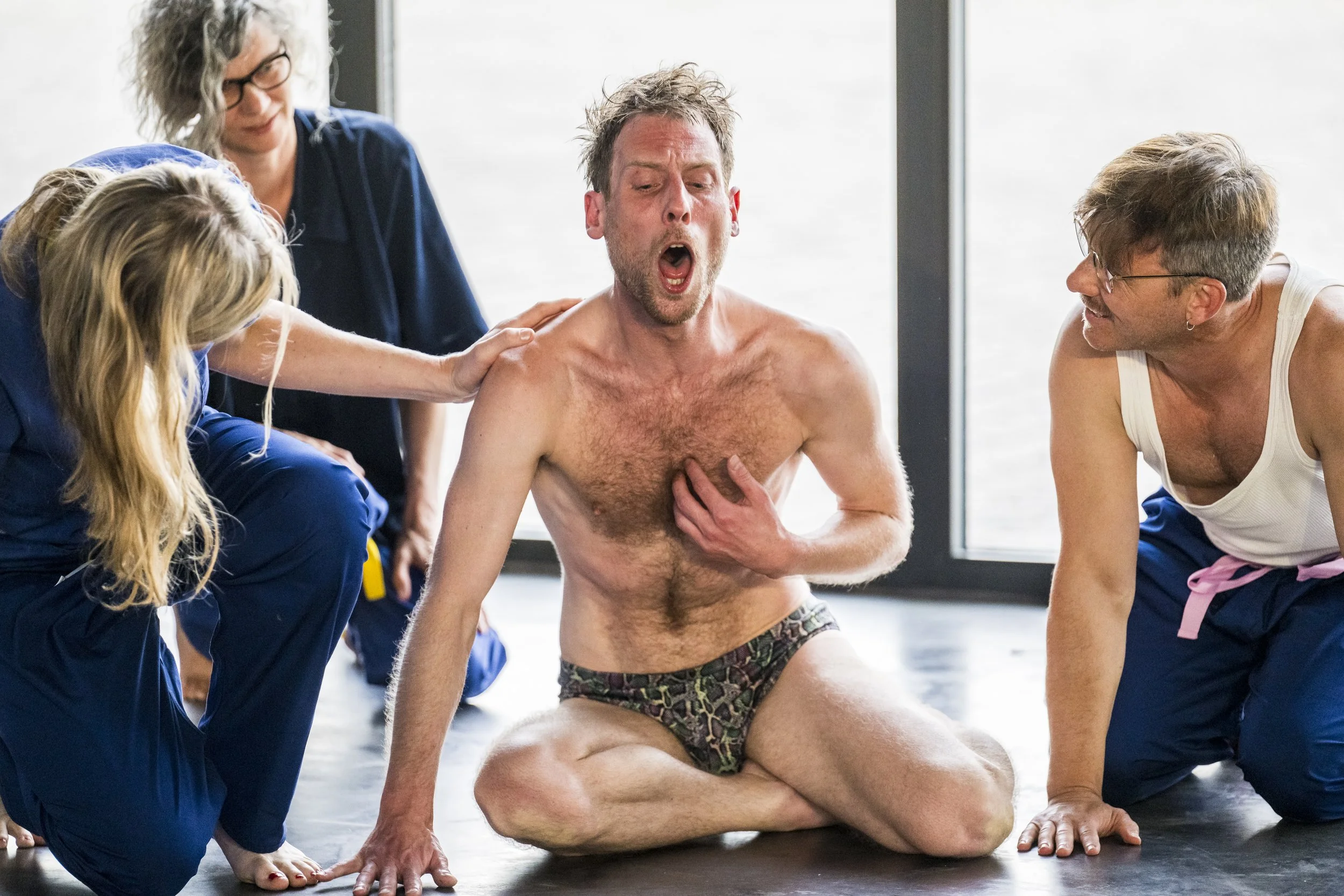
I am currently creating Who Cares?, a queer participatory dance-theatre work inspired by my experience as an NHS nurse and union organiser. The work transforms the theatre into a playful hospital and explores care, healthcare, labour, vulnerability, queerness and the politics of who gets cared for.
Through movement, spoken word, music, humour, clowning and audience participation, I invite audiences not simply to watch, but to become part of the experience.
Across everything I do—as a dancer, actor, choreographer, movement director, model, facilitator and artist—I keep returning to the same question:
How can the body bring us closer to ourselves and to one another?
I create work that is playful, physical, queer, politically engaged and deeply human. Work that invites people to participate, question, laugh, feel and imagine different ways of being together.
I create because no one else is asking me to. It is the one thing I do entirely for myself—the one place where I feel free, fully alive, and completely present.